
Articles & First-Person Accounts: When Volunteers Feel Unsafe
Wildlife rescue in NSW is carried on the backs of volunteers. Carers take the midnight calls, absorb the trauma, fund fuel and feed, learn complex rehabilitation skills, and make life-and-death decisions under pressure — usually while juggling work and family.
And yet many carers describe a frightening reality: when something goes wrong, the consequences can feel personal and severe. Instead of support, some volunteers say they experience intimidation, punishment, or public shaming. Some say they’ve become scared to ask questions, scared to speak up, and scared that doing their best in impossible circumstances could still leave them exposed.
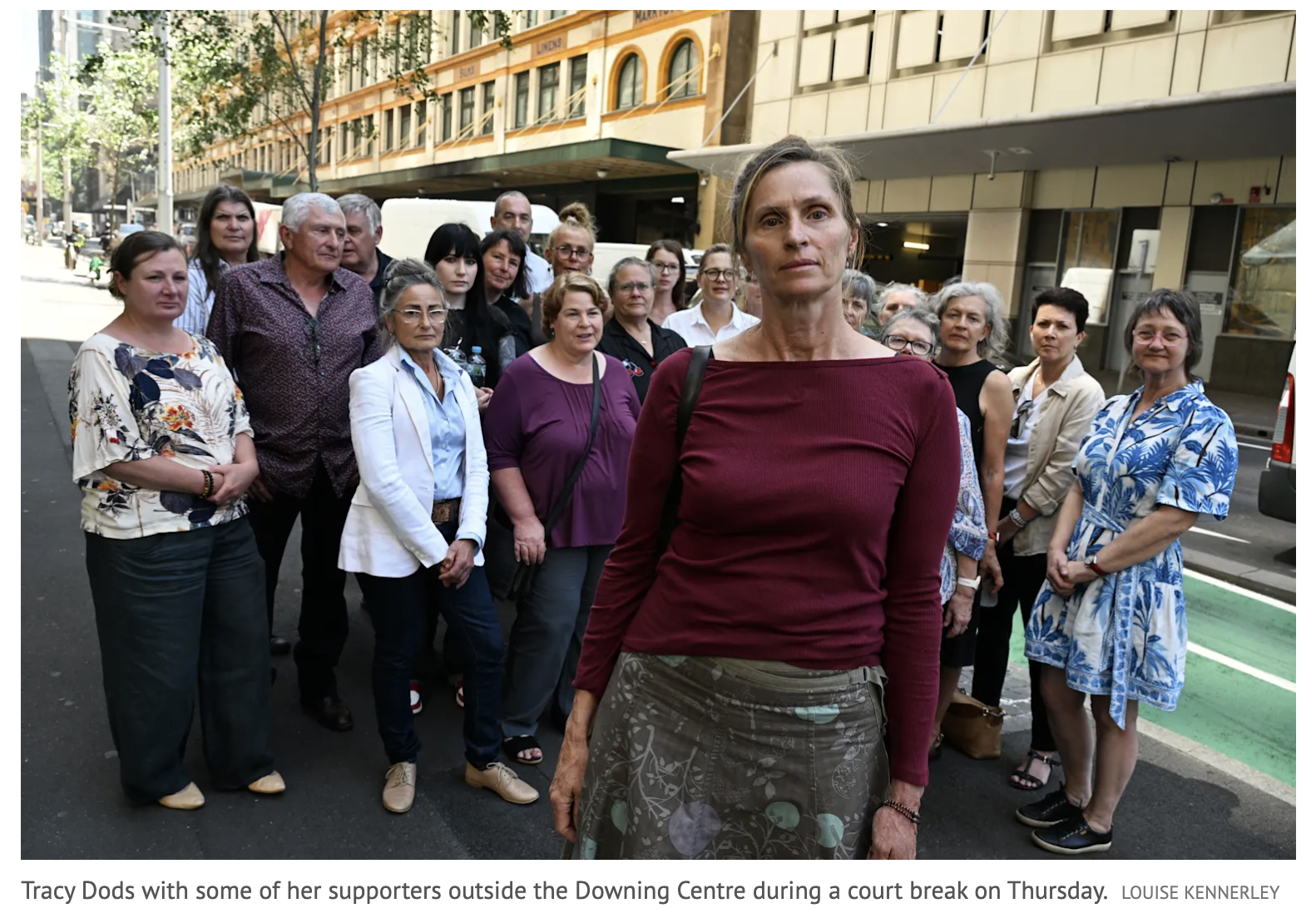
Public reporting and official statements around the Tracy Dods case (and the wider volunteer unrest within NSW wildlife rescue) have intensified these fears, with volunteers describing a “chilling effect” on willingness to rescue and rehabilitate wildlife.
This page of our website archives key coverage and documents so carers don’t feel alone, and so the community can keep asking an essential question:
If volunteers are expected to carry the responsibility for wildlife, who is responsible for caring for the volunteers?
Important note: We link to a range of sources including media reports, official organisational statements, legal commentary, and formal submissions and we do our best to distinguish clearly between verified facts, reporting, and personal perspectives.
If there is an article or statement that you believe should be on this site, please submit it through our contact page.
